Clean Water Is Not Enough If the Water Is Not Clean
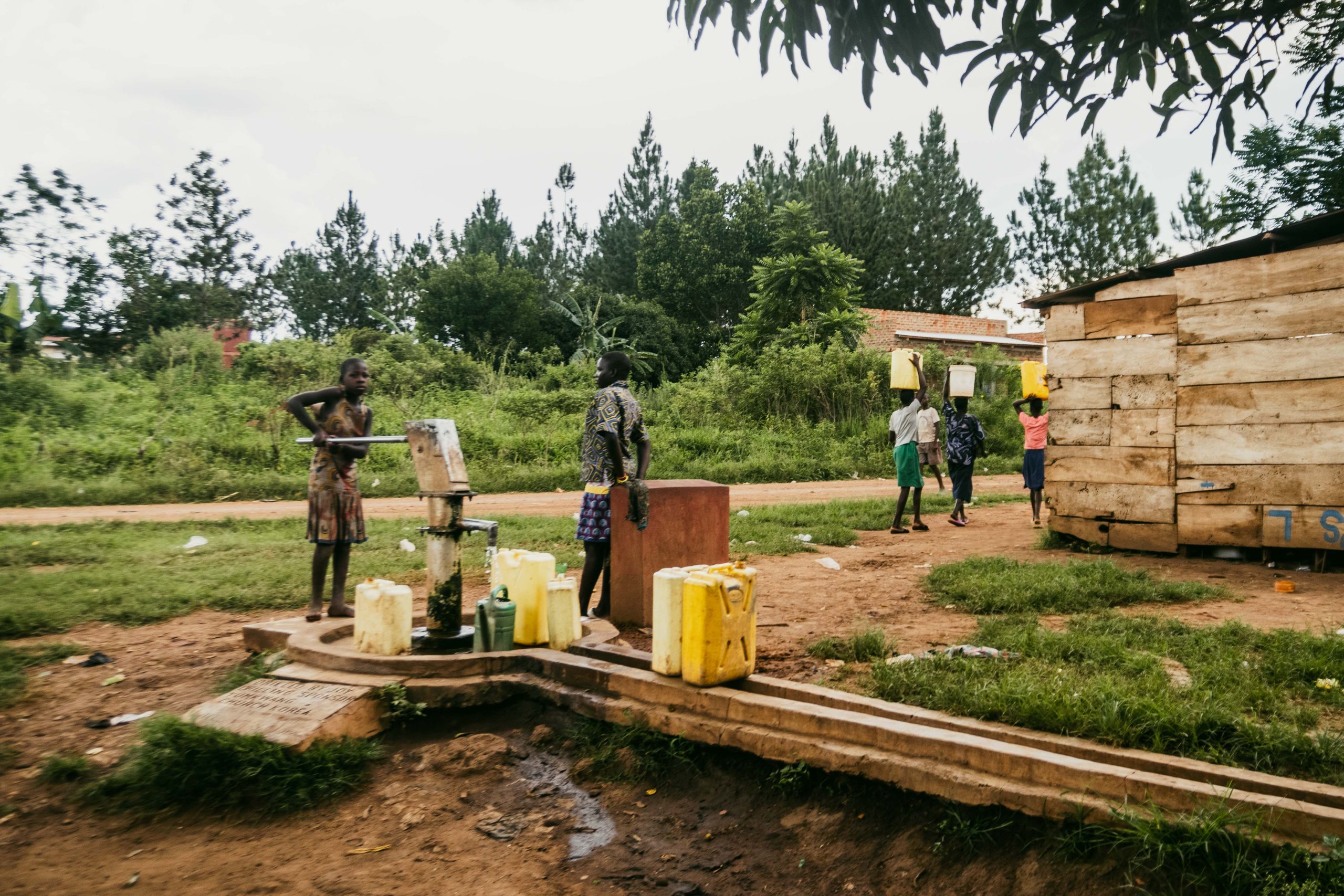
Tucked in the heart of northern Uganda, Kole District is a landscape of quiet resilience. Its communities farm, trade, raise children, and build lives — often against considerable odds. Many villages have water sources: boreholes, shallow wells, springs, and seasonal streams. On the surface, the water crisis here looks solved. It is not.
Across Kole District, communities are drinking water that is invisible to the eye but dangerous to the body. Bacterial contamination from human and animal waste seeps into shallow wells and unprotected springs. Fluoride levels in some groundwater sources exceed safe limits, silently damaging children’s teeth and bones over years of exposure. Iron and manganese concentrations make water taste metallic and stain hands and cooking pots. And in communities that collect rainwater or draw from seasonal sources, contamination levels spike dramatically during the rainy season — precisely when families are drinking more.
Nobody tests this water. Nobody treats it. And so communities drink it, cook with it, bathe their newborns in it — and fall sick in ways they cannot always trace back to the glass of water they drew that morning.
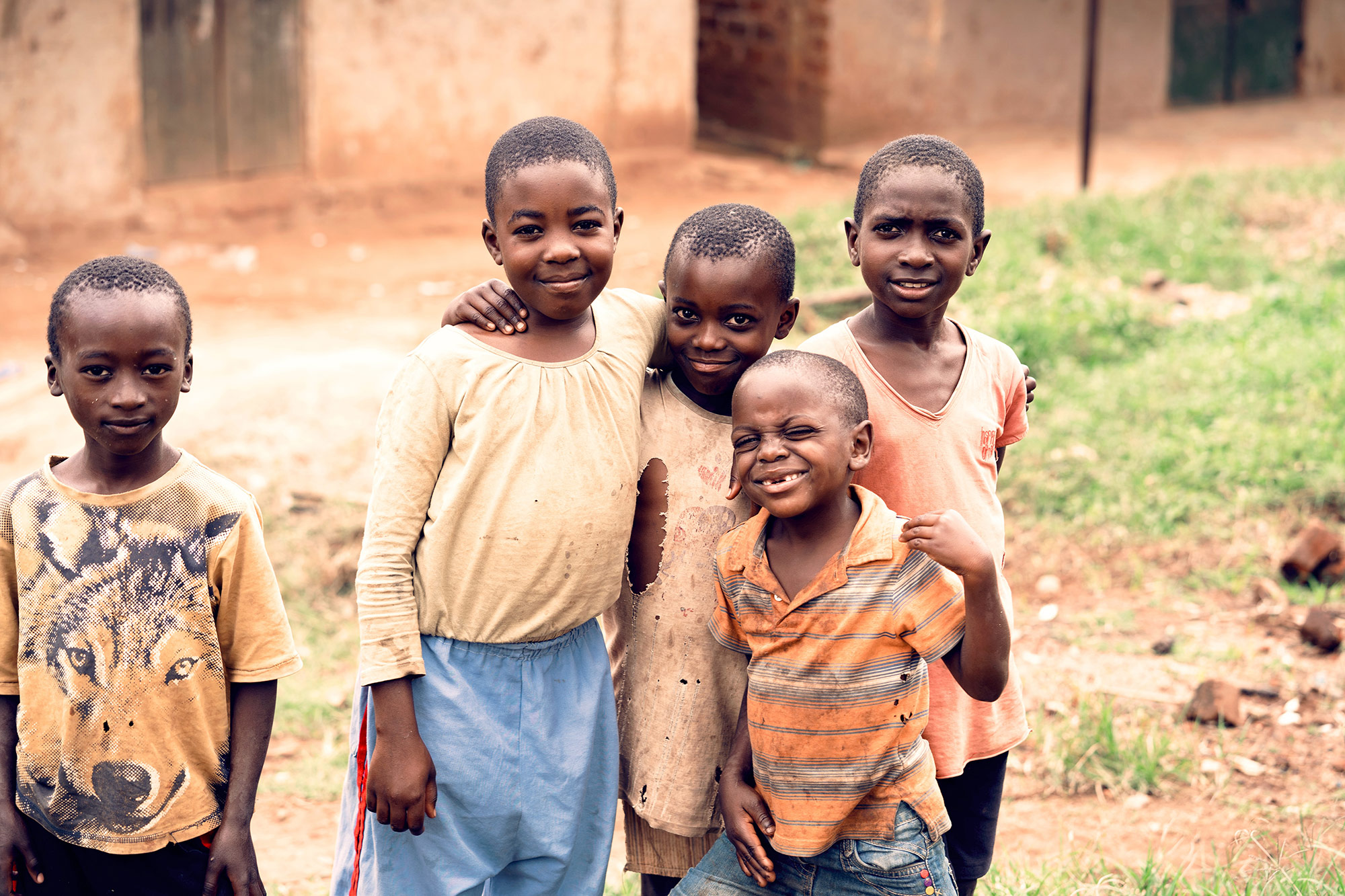
The burden falls hardest on those least able to carry it.
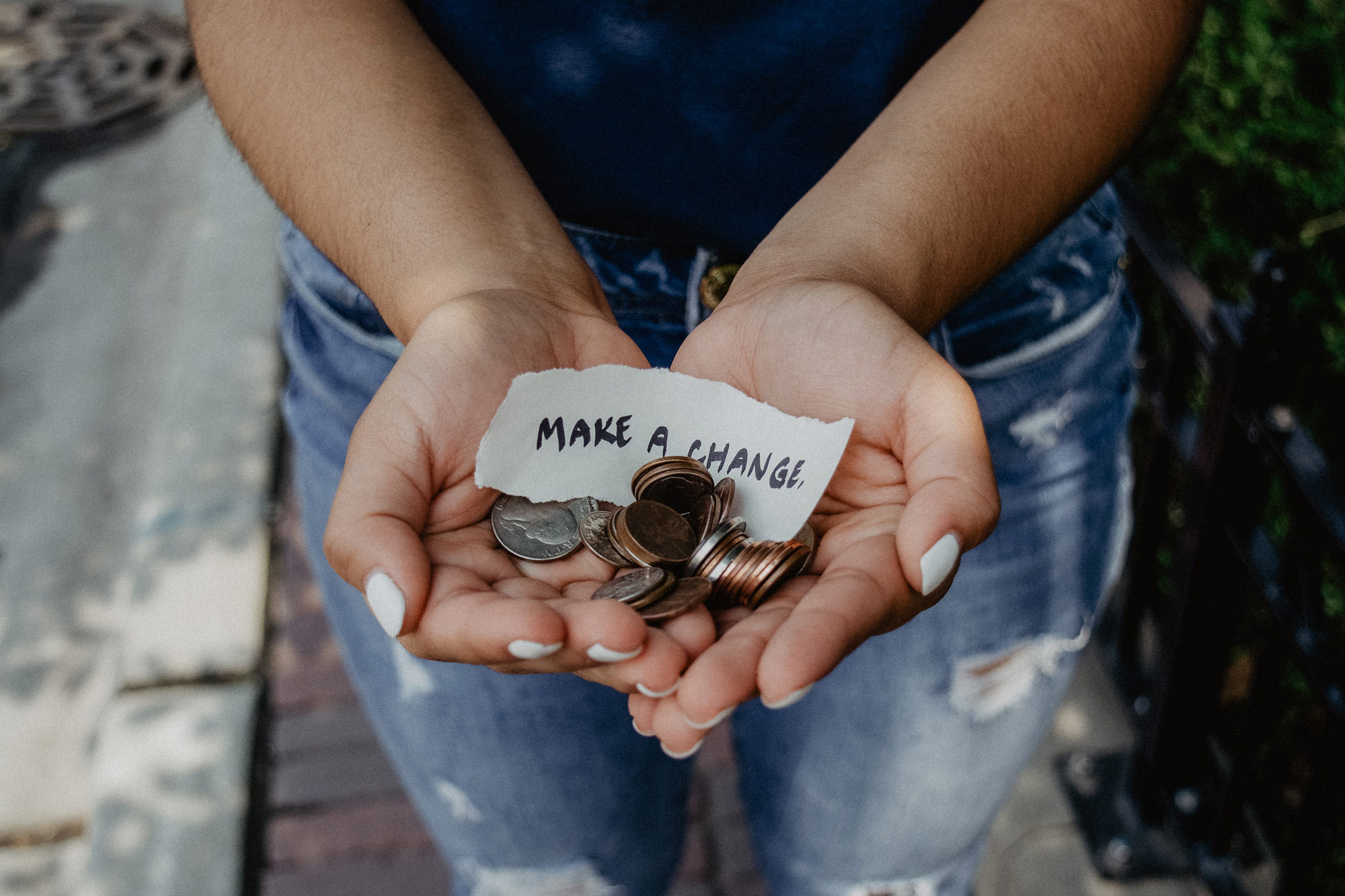
Clean water, sanitation, and hygiene education are basic necessities for a healthy environment and a productive life and well life being. Here is the impact we want to create!

80
Communities

50k
Beneficiaries

$180K
Funding required